Everything is owned by NITRO CHiRAL

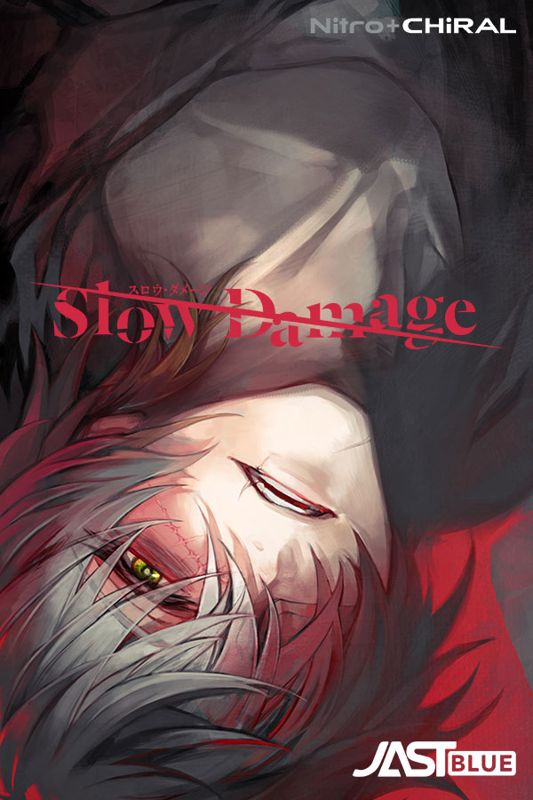
Slow Damage is difficult to neatly fit into any single category. And, in my view, therein lies both part of its appeal and the source of the difficulties that arise when engaging with it. It positions itself as a visual novel; however, its priorities lean less toward narrative structure than toward atmosphere, repetition, and a gradual buildup of anxiety.
At first glance, the plot's premise is quite simple: a self-contained urban environment, a protagonist wandering aimlessly through it, and a set of routes that reveal various facets of both the setting itself and the people who inhabit it. Upon closer inspection, however, the experience boils down less to events than to texture. Conversations drag on, scenes stretch out, and the narrative pace often fails to align with the forward momentum that most readers expect. Whether this proves to be gripping or tedious depends largely on your tolerance for a slow—and at times cyclical—plot progression.
Towa, as a protagonist, is intentionally difficult to fully grasp. His detachment is consistent to the point where it shapes the entire tone of the work. Rather than guiding the reader, he often acts as a filter that dulls or distorts what is happening around him. This creates an interesting image: you are present for everything, but rarely anchored.
I found that this technique worked best in short stretches, where the ambiguity was perceived as intentional, and far less effectively in longer passages, where everything began to blur together. The setting does a lot of the heavy lifting. There is a constant sense that something is slightly off, even in otherwise mundane interactions. The game relies on this persistent light discomfort, which gives it a consistent identity but also means it rarely surprises in a traditional sense. It is more about staying in a mood than breaking it.
Visually and aurally, it is very cohesive. The art direction, color choices, and soundtrack all support the same subdued, slightly oppressive tone. Nothing feels out of place, though very little is designed to stand out on its own either. That's what I like the most about it. It is less about individual highlights and more about maintaining a steady atmosphere across hours of reading.
The routes vary in effectiveness. Some manage to use the established tone to build something genuinely engaging, while others feel like extensions of the same ideas without enough variation. Because the core structure does not change much between them, the differences rely almost entirely on character dynamics, which can be uneven.
So... all in all, Slow Damage gives the impression of a game that approaches (quite consciously) exactly what it does, and what it avoids, if you can say that. It is not trying to be broadly accessible, and it does not make many concessions to pacing or clarity. For some, that restraint will read as confidence; for others, it will feel like it is withholding too much. I think it works best when approached with the expectation that it is more about sitting with a particular mood than reaching a satisfying narrative conclusion.
SD isn't something I would recommend casually, but I also would not dismiss it. It occupies a very specific space, and if you are willing to meet it there, it can leave a distinct impression, even if that impression is not entirely comfortable.
The characters in Slow Damage are a mixed point. They are clearly written with intention, but how well they work depends a lot on the route and your patience with the game's pacing.
Most of the main cast have strong, defined personalities. It is easy to understand what role each character is supposed to play, and their dynamics with Towa are usually clear early on. At the same time, they can feel a bit one-note outside of their specific routes.
The routes help certain characters a lot more than others. Some feel more developed and believable once you see their full story, while others do not change much beyond what you already expect from them.
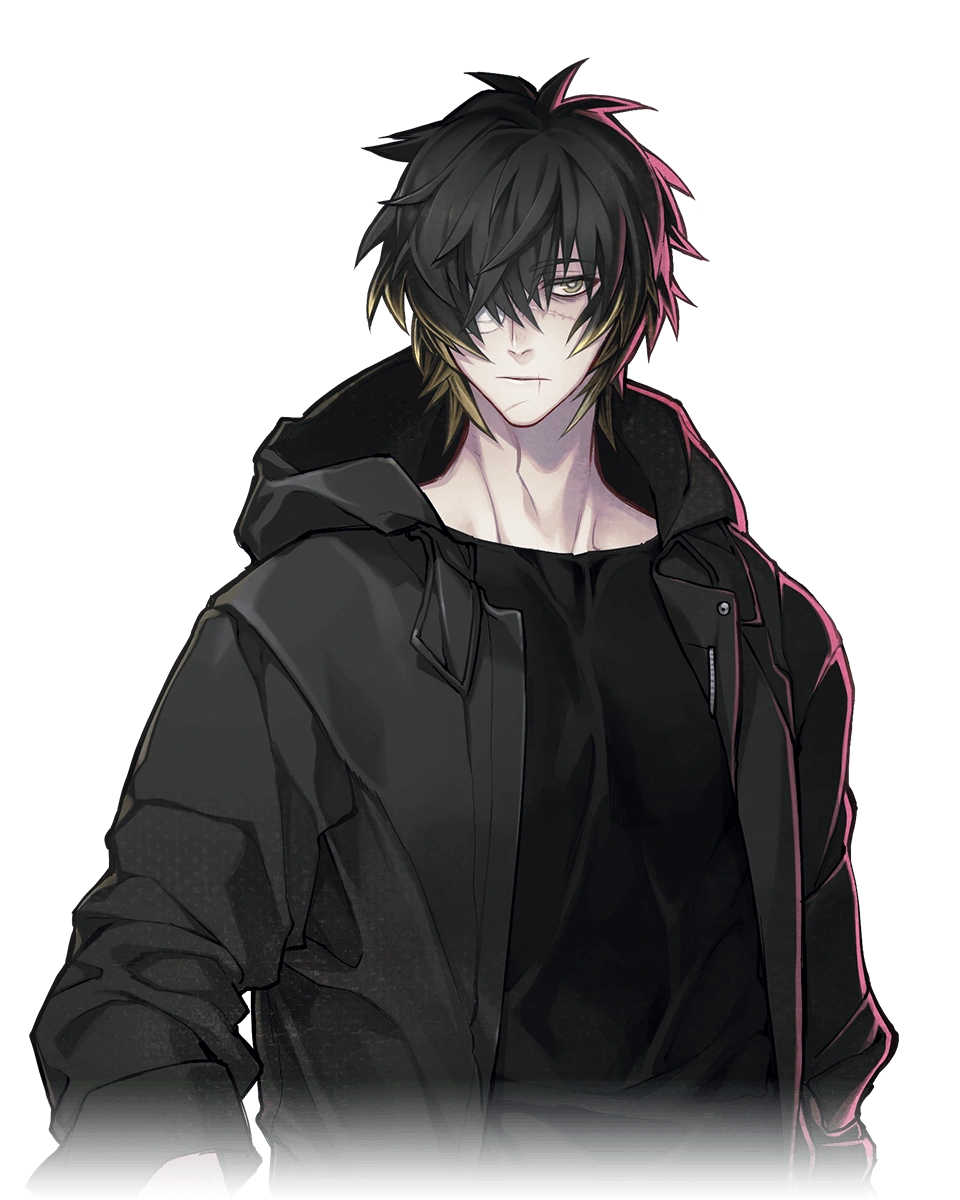
Protagonist. Smokes booze, smokes booze. For almost every one of his actions, the game gives us a reason. Though, I'd say he kinda has that plot armor, because are you really telling me HE is strong enough to fight on nearly equal terms with Rei? Are you really telling me his wounds fully heal up in two weeks when all he does is drink booze and smoke and don't even eat?

Rei is Rei. His route is fun esp with Towa randomly winning big vs Sakaki
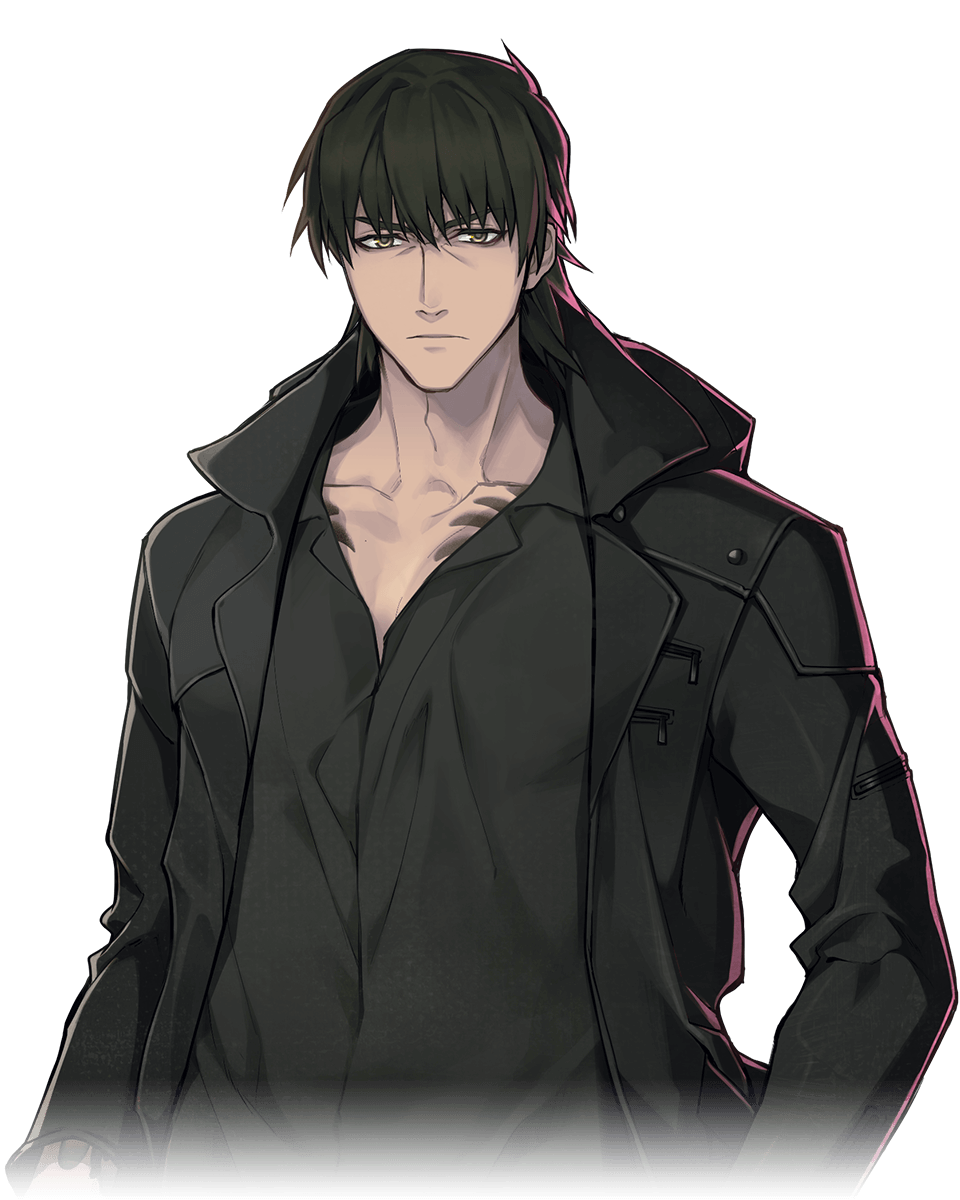
Madarame had joined the Takasato Group when Towa was still a child, and had known of him since then,
although they had only gotten to personally know each other when Towa was around 15 to 16 years old,
which is also when they started sleeping with each other.
Doesn't it tell you enough?
I'll finish this
The art in Slow Damage is one of its stronger points, but it is also very consistent to the point where it rarely tries to impress you directly.
Character designs are clean and recognizable. Everyone has a distinct look, but nothing feels overly exaggerated or flashy. The expressions are more subtle than dramatic, which fits the tone of the game, though it can make some scenes feel a bit flat if you are expecting stronger emotional shifts. The CGs are well-drawn and polished, especially in terms of composition and lighting. There is a clear focus on maintaining a certain mood. Most of them blend into the overall atmosphere instead of standing out as highlights. This works well for consistency, but it also means fewer scenes feel memorable on their own. Sad.
Backgrounds are detailed enough to support the setting, but they are not the main focus.
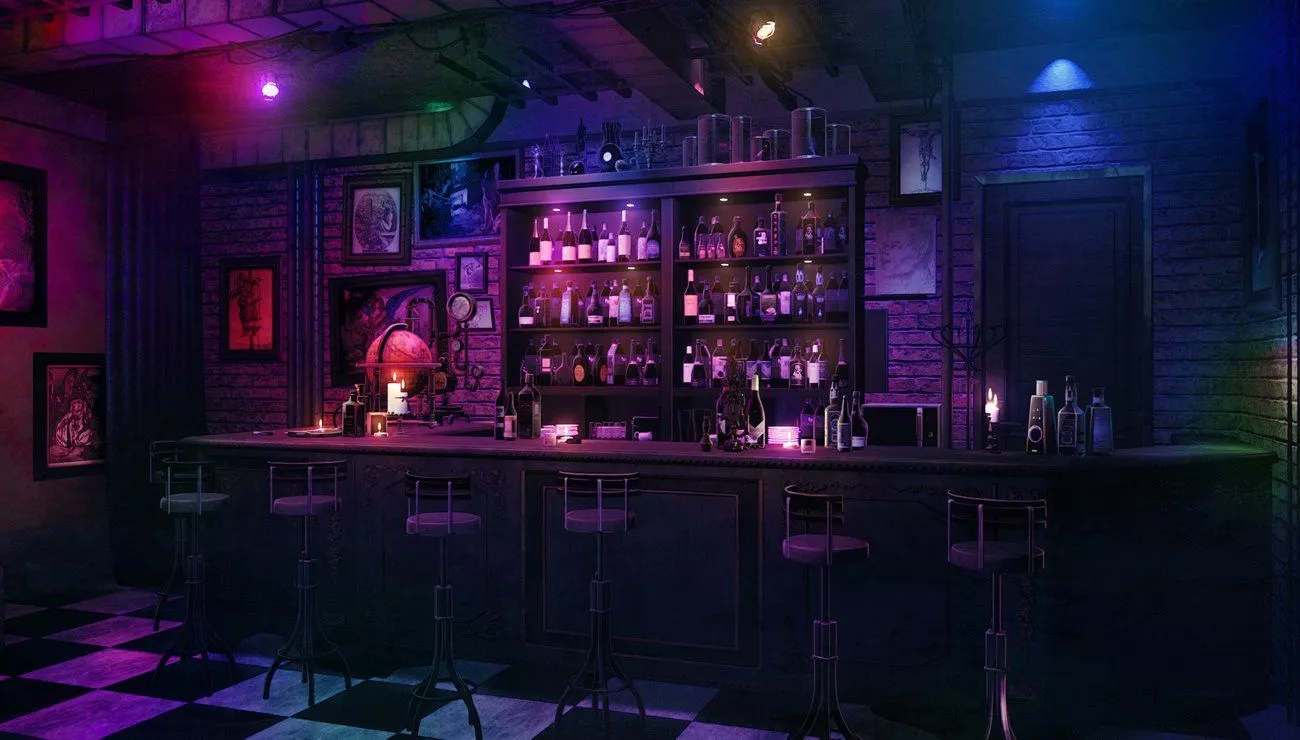 They do their job without drawing too much attention. The city feels enclosed and somewhat repetitive,
which seems intentional, but it can also make locations harder to distinguish at first.
They do their job without drawing too much attention. The city feels enclosed and somewhat repetitive,
which seems intentional, but it can also make locations harder to distinguish at first.
Color use is probably the most noticeable part of the art direction. The palette leans toward muted tones with occasional contrast, which helps keep everything visually cohesive.
Overall, the art is solid and reliable. It does not take many risks, but it also does not fall apart anywhere. It supports the game well, even if it rarely carries it on its own.
NC's art is really good. (Don't mind colors at the edges, I'm on my euphoria streak)
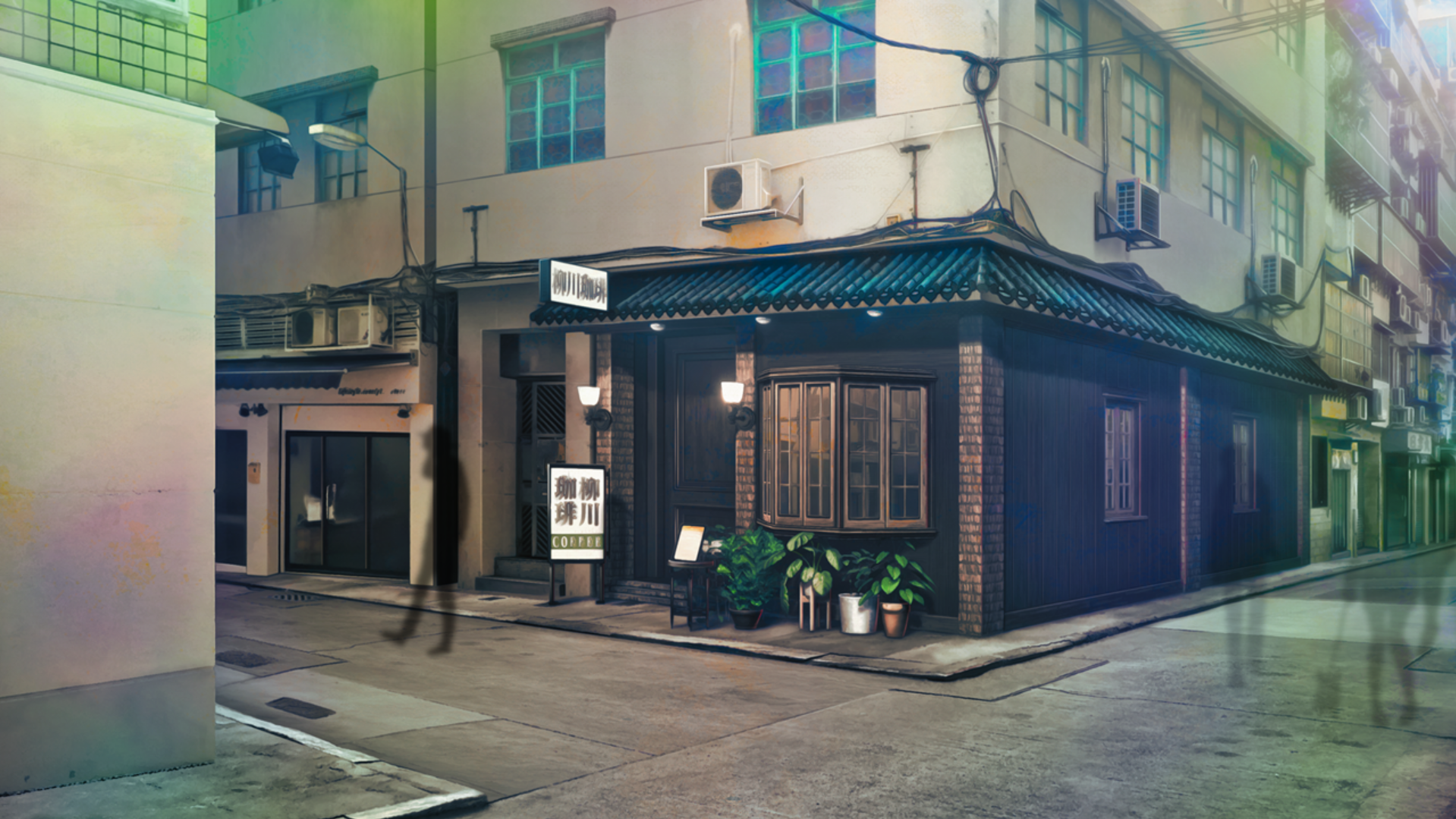 Let's tackle art composition of a random background from SD.
This shot showcases a thoughtfully crafted composition.
The cafe sits right at the street corner, instantly grabbing your attention as the main focus of the frame.
Its triangular shape naturally guides your gaze toward the entrance and windows.
Let's tackle art composition of a random background from SD.
This shot showcases a thoughtfully crafted composition.
The cafe sits right at the street corner, instantly grabbing your attention as the main focus of the frame.
Its triangular shape naturally guides your gaze toward the entrance and windows.
The streets are nearly deserted, lending an air of tranquility and isolation. With no cars or bustling crowds around, the building stands out even more, which works quite well to draw the player's attention and appreciation without interrupting the gameplay.
Perspective lines are crucial here. The roads, rooftops, cables, and walls all converge toward the café, while the windows and lamps further draw your eye back to the center of the image.
The color palette is soft and muted, dominated by shades of gray, beige, and dark blue. This subtlety allows the warm light at the entrance to pop, creating a contrast that feels balanced rather than overly dramatic.
There's a blend of realism and stylization at play. The architectural details and street elements look authentic, yet the glow, blur, and gentle gradients give them a dreamlike quality. Slow Damage often strikes this balance: realistic environments infused with a hint of the surreal. Kinda fits the game well.
Another key aspect is the generous amount of empty space. The wide, vacant road in the foreground enhances the feeling of distance and confinement within the café. This adds a layer of tension and solitude, all without needing any characters in the scene.

The latest drop is nasty. NC feeds us well. Look at Towa. Look at his waist. Look at his pants. He's a snack. Anyways, I fw the artstyle.
So, speaking of art. I really love the artstyle and visual complexion of the game, but the one thing I want to mention is why are characters so square?
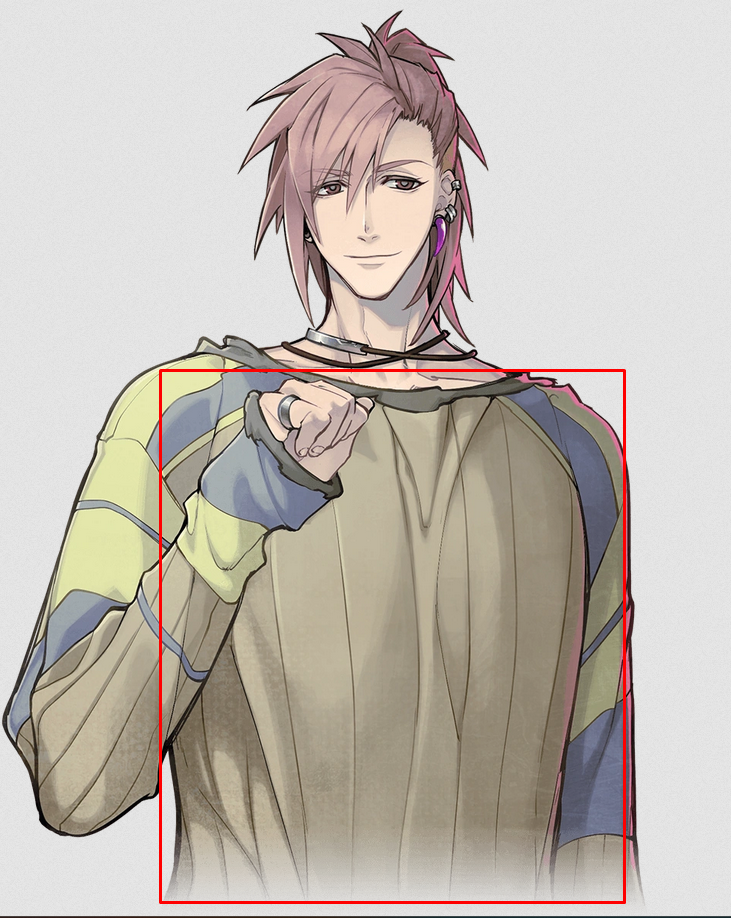
The best example is probably Rei. He is literally made of squares. In my opinion, men's bodies don't really look like that, even if we're speaking of stylized art. It looks strange.
I feel like the devs could just shrink him a tiny bit and it'd be alright. But there's a problem with Towa, too. In one cutscene, or on a sprite, he's lean and skinny, literally nothing but bones. Yet in another, he looks as if he hits the gym every other day.
Maybe it's just me. It probably is just me, but I paid a lot of attention to this kind of stuff.
I have tried everything to disable zooming on this page, but if you still manage to do so—please, DO NOT. Nothing, I repeat: nothing here is optimized for responsive display or zooming. Everything will break and shift out of place.
Although I have placed a "Spoilers" label on the SD button on the shrines' main page, I will repeat it once more:
This page contains spoilers, literally at every turn. Possibly even very major ones.