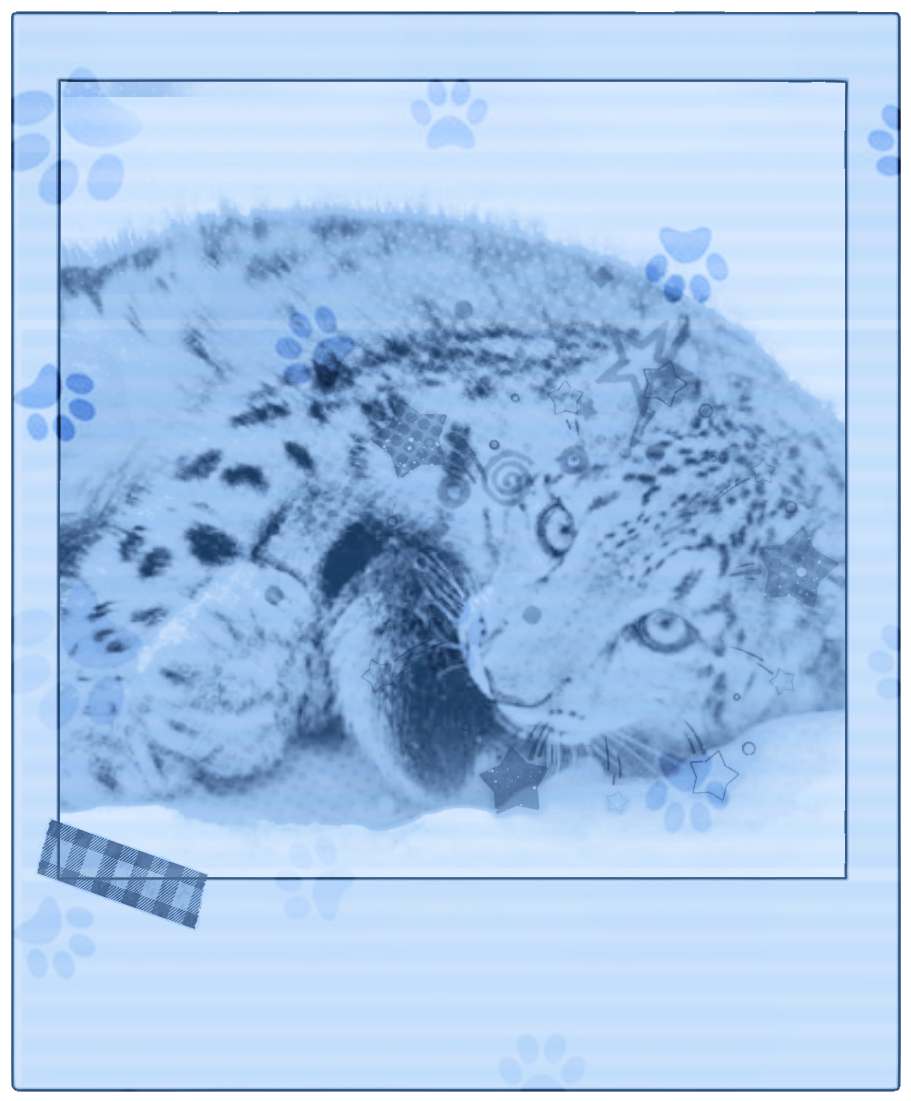
Snow leopards
⸝𓈒݂݂𓏴𓏴The Ghost of the Mountains. Snow leopards (Panthera uncia) roam the high alpine peaks of Central and South Asia, from the Himalayas to the Altai.
Why they are my favorite animals
ᓚᘏ𑄝 They're quiet, mysterious, and very, VERY beautiful. They're a living proof that something can be fierce and gentle at the same time.
Why should you love snow leopards too
ᓚᘏ𑄝 Honestly, what's not to love? They're basically giant fluffy cats with the softest-looking fur, a tail that could double as a scarf,
 and the best vibe of any big cat out there.
BTW, they don't roar, they chirp and squeak like a regular house cat. They live in some of the most beautiful, remote places on Earth and somehow blend right into the rocks.
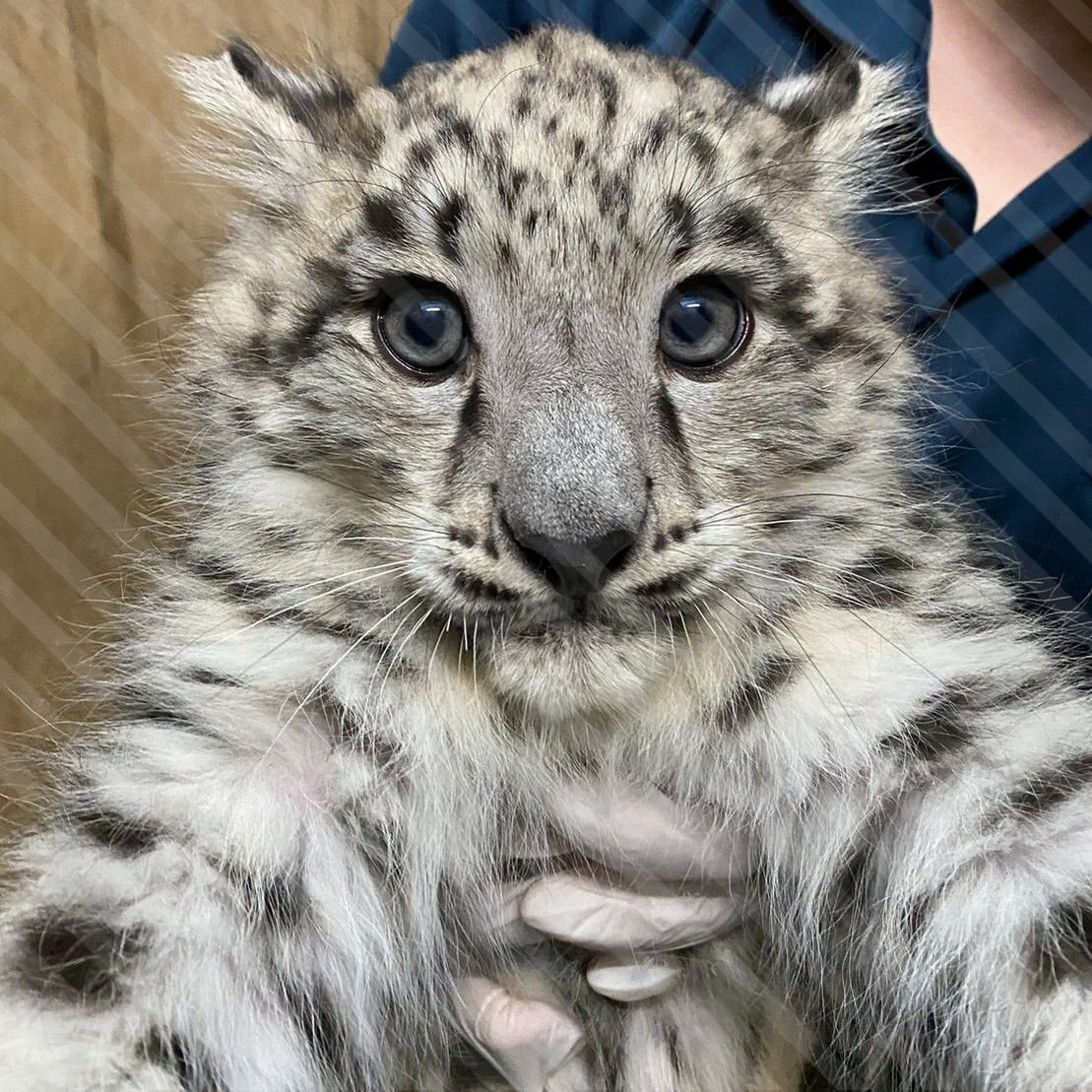
If you need one more reason: baby snow leopards are objectively one of the cutest things that exist. Meow.
and the best vibe of any big cat out there.
BTW, they don't roar, they chirp and squeak like a regular house cat. They live in some of the most beautiful, remote places on Earth and somehow blend right into the rocks.
If you need one more reason: baby snow leopards are objectively one of the cutest things that exist. Meow.
Random snow leopard facts
- They can leap up to 50 feet in a single bound.
- Their tails are almost as long as their bodies and double as a cozy wrap-around blanket.
- They can't roar — instead they chuff, mew, growl, and purr.
- They survive temps as low as -40°F thanks to thick fur and enlarged nasal cavities.
- Wide, fur-covered paws work like natural snowshoes.
- Also called the "ghost cat" for how rarely they're seen in the wild.
- Excellent climbers — they can descend cliffs that would stop most predators.
- Spend most of their lives alone, only pairing up briefly to mate.
- A snow leopard's home range can span up to 1,000 square miles.
- Cubs are born with their eyes closed and open them after about a week.
- Their rosette spots are as unique as fingerprints, no two patterns alike.
- They can't purr continuously the way small cats do — only on the exhale.
Habitat & range
Snow leopards live across roughly a dozen countries, including Mongolia, China, India, Nepal, Bhutan, Kyrgyzstan, and Kazakhstan, typically at elevations between 3,000 and 5,500 meters. Their pale, smoky-grey coat marked with rosettes gives them near-perfect camouflage against rocky, snow-dusted slopes — a big reason for their "ghost" reputation.


Conservation status
ᓚᘏ𑄝 Snow leopards are currently listed as Vulnerable by the IUCN, with an estimated 4,000–6,500 individuals left in the wild. Threats include poaching for their fur and bones, retaliatory killing by herders protecting livestock, and habitat loss from climate change and infrastructure development. Organizations like the Snow Leopard Trust and Snow Leopard Conservancy work directly with mountain communities on conflict mitigation and anti-poaching efforts.
Why we must save snow leopards
There are only a few thousand of these cats left in the wild, and every single one matters. They're a huge part of keeping their mountain ecosystems balanced. Without them, prey populations like blue sheep and ibex would boom out of control, throwing everything else off too. Losing snow leopards would mean losing one of the last truly wild, untouched corners of the planet. They've survived in some of the harshest places on Earth for thousands of years — the least we can do is make sure they get to keep doing that.
Donate to help snow leopard conservation
ᓚᘏ𑄝 If these cats stole your heart too, here are a few wonderful organizations doing real work to protect them:
Snow Leopard Conservancy — focused on community-based conservation across the cat's range.
Panthera — a global wild cat conservation group that runs snow leopard programs alongside other big cats.
Even a small donation goes a long way toward anti-poaching patrols, research, and helping herders protect their livestock so snow leopards don't get hurt in retaliation.